Showing posts with label Elephant Hawkmoth. Show all posts

Monday, 4 July 2022

Garden Moths


I don't think I have been out birding once during June and the only bird I have added to my year list is a Spotted Flycatcher I saw in Wales. Holidays and other commitments have worked against me but at least being at home more has given me the chance to catch up on Moths in the garden.

The Spring months which tended to be cold and windy gave very poor catches but it all changed once we hit June and it has been nothing but moths ever since. We had a week in mid Wales which gave me some new species (see previous blog) and the trap in the back garden has been producing a good selection if perhaps not in the numbers I saw last year.

It is always good to find a Hawkmoth in the trap or, as I often find them, sitting on the top of the trap. This years return so far is four species but unfortunately they are all ones I have seen before. I wait with anticipation for a Death's Head or Oleander. There is still time to see one this year but it's a bit like waiting to win the lottery.


Privet Hawkmoth - Sphinx ligustri


Lime Hawkmoth - Mimas tiliae


Elephant Hawkmoth - Deilephila elpenor


Small Elephant Hawkmoth - Deilephila porcellus


The Alder Moth, Camomile Shark, Burnished Brass, and Golden-brown Tubic are all new for the garden list.


Alder Moth - Acrnicta alni


Chamomile Shark - Cucullia chamomillae


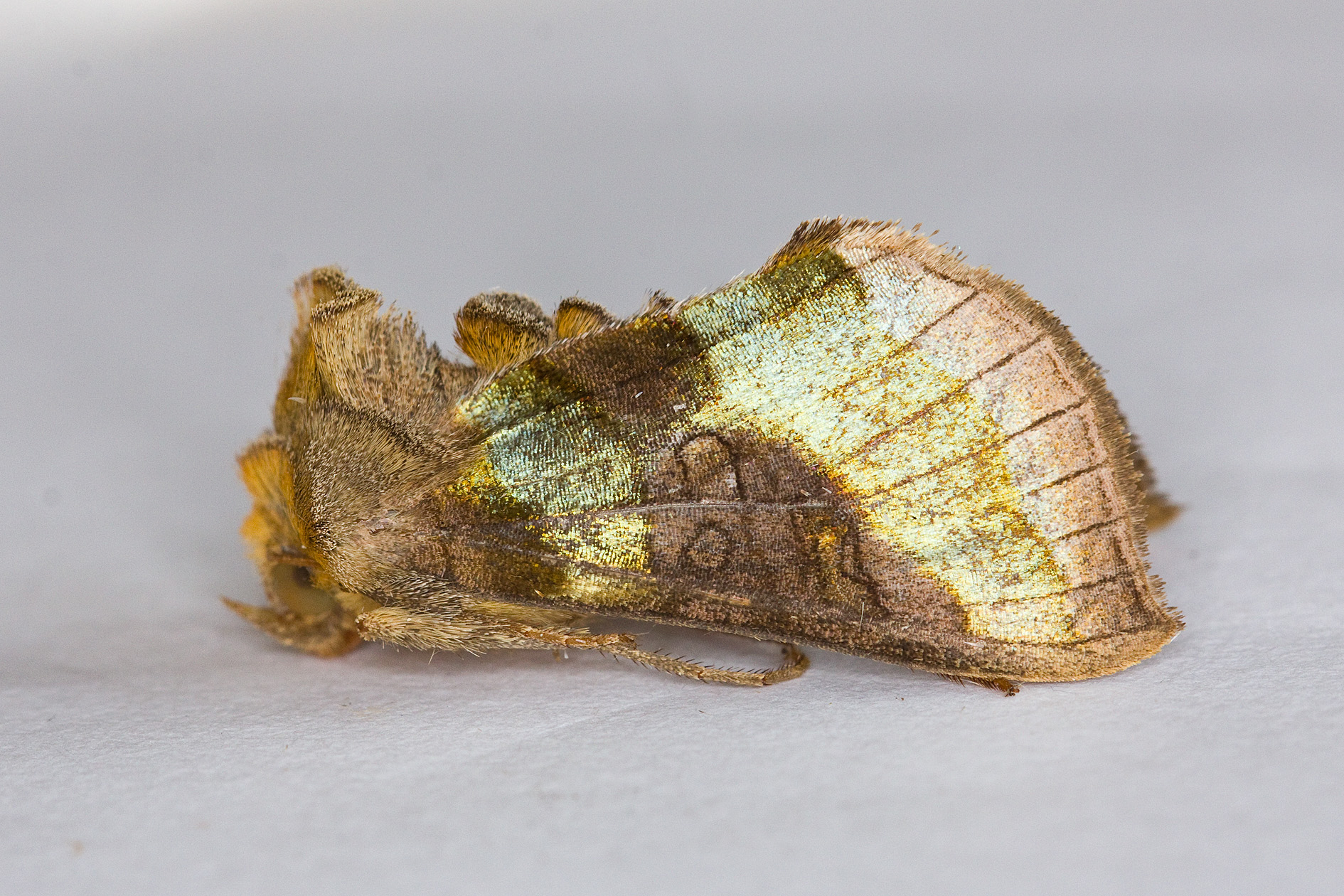
Burnished Brass - Diachrysia chrysia


Golden-brown Tubic - Crassa unitella


The rest are just a selection from those I have seen in the garden during June. It's just nice to see and to review the pictures from time to time.


Blair's Mocha - Cyclophora puppillaria


Miller - Acronicta leporina


Oak Nycteoline - Nycteola revayana


Bramble Shoot Moth - Notocelia Uddmanniana


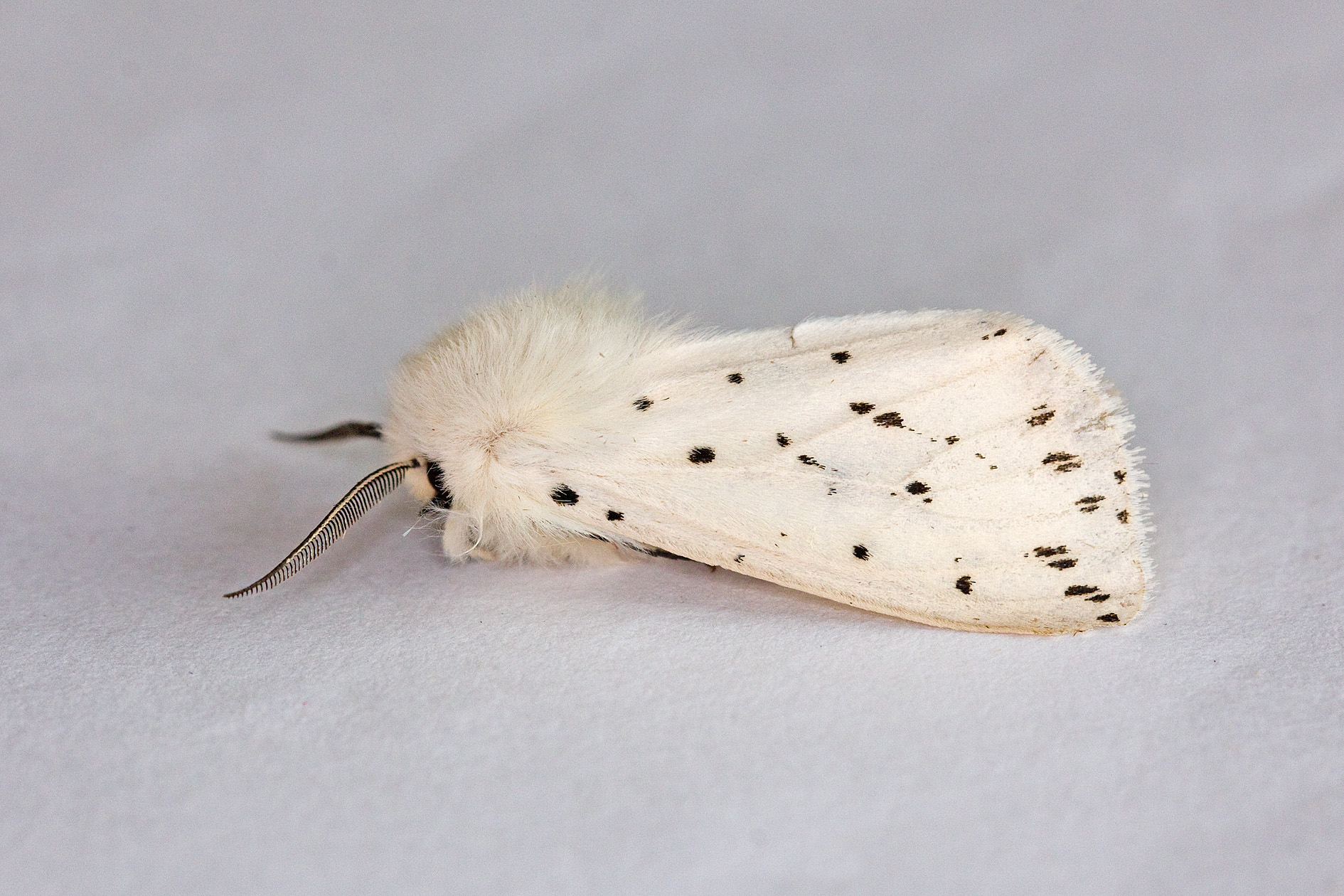
White Ermine - Spilosoma lubricipeda


Nettle-tap - Anthophila fabrician


Marbled White Spot - Deltote pygarga


Maidens Blush - Cyclophora punctaria


Red-barred Tortrix - Ditula angustiorana


Snout - Hypena proboscidalis


Common Wainscot - Mythimna pallens


Sycamore - Acronicta aceris


The end of June brings up the 250 on the Moth Garden List.


Thursday, 9 June 2016

Swallowtail Butterfly


The race of Swallowtails that occur in Britain (Papilio machaon Britannicus) is one of the rarest and most beautiful butterflies in the world. It is endemic to this country and exists in just a few sites in Norfolk.

Being our only endemic species, I had decided to keep it to the last, in my quest to see all the UK butterflies, a total of fifty nine in all. Perhaps not a good idea, the first fifty eight took me about eighteen months but then I had to wait a further six months for the Swallowtails to emerge. Monday came, the conditions looked right and so I set off for Strumpshaw Fen just east of Norwich eager to complete the challenge.

Well, I saw it, but it wasn't really the event that I had been looking forward to. The weather was cooler than predicted and I only saw two Swallowtails all day. The first disappeared high over the trees probably going to roost until it warmed up. The second was making regular visits to the small garden by the visitors centre happily nectaring on the plants. Great, except that I had to share it with about a dozen other people - a butterfly twitch.


Swallowtail in the nectar Garden - I think the flower is Dames Violet


Not easy to photograph on a bright white flower


I walked around the meadow and the Fen Trail and made regular visits to the "Doctors Garden" but I could not find any other specimens.

By three o'clock it had cooled even further and there was no real chance of seeing any more Swallowtails. I headed off for the three hour drive home, happy to have my final butterfly but a bit disappointed by the overall event.

Fortunately my birding buddy Dave was keen to see a Norfolk Hawker Dragonfly so Thursday we made an early start and by 5am we were on the road back to Strumpshaw to see the dragonfly and hopefully a few more Swallowtails.

It was overcast and cool when we arrived but by eleven o'clock the sun was out, the temperature rose rapidly and within a few minutes the Swallowtails were on the wing. As we approached the "Doctors Garden", the first one came flying in to nectar on the flowers in the border and within a few minutes we had four to photograph.


Getting a picture is easy. They take no notice of people or cameras but they will head up into the trees to roost if the temperature drops.


I am happy with the pictures but they do not really do justice to the butterfly. They have a wingspan of 6.5 to 7.5 centimetres, a slow fluttery wing beat, and a presence that cannot really be captured in a picture. If you get a chance go and see them.


Perhaps the other disappointment was that we could only capture pictures of them nectaring on garden flowers. We saw a number of others around the fen footpaths but they were all flying through. It would have been nice to get them on the the wild flowers growing on the fen or perhaps on Milk Parsley the caterpillar food plant that the species relies on.


Other butterflies around the fen were Brimstones, various whites, a Brown Argus, a couple of common blues and a lot of very tatty Painted Ladies.


Brimstone


Brown Argus


There were three bonuses from the day. The first, Dave heard a couple of Grasshopper Warblers reeling away and after some effort he managed to locate them. I haven't seen one for a couple of year so this was a great find. I wasn't much help in locating them as their song is well above my hearing range.

The second, was sight of some great moths, courtesy of the Strumpshaw Fen Moth trap. The trap had been emptied early in the morning and the moths put out on the fencing for people to see. We must have walked past them four or five times without noticing them but when finally tipped off to their presence, at about four o'clock in the afternoon, we went back for a look. I was surprised that they were still there. I could have done with more light but these are better record shots than I had at the start of the day.


Elephant Hawkmoth


Eyed Hawkmoth - unfortunately not showing its eyes.


Poplar Hawkmoth


A second Poplar Hawkmoth


Our third bonus was that we met Mick Davis wandering around the meadow looking for dragonflies. I haven't seen him since his move up to Norfolk but he seems too be enjoying life up there and he was his usual source of information and helpful detail. A great loss to the Sussex birding scene.


A much better day with the Swallowtails, some good moths and I haven't even mentioned Dragonflies yet. They will be appearing in the next blog.