Monday, 4 July 2022

Garden Moths


I don't think I have been out birding once during June and the only bird I have added to my year list is a Spotted Flycatcher I saw in Wales. Holidays and other commitments have worked against me but at least being at home more has given me the chance to catch up on Moths in the garden.

The Spring months which tended to be cold and windy gave very poor catches but it all changed once we hit June and it has been nothing but moths ever since. We had a week in mid Wales which gave me some new species (see previous blog) and the trap in the back garden has been producing a good selection if perhaps not in the numbers I saw last year.

It is always good to find a Hawkmoth in the trap or, as I often find them, sitting on the top of the trap. This years return so far is four species but unfortunately they are all ones I have seen before. I wait with anticipation for a Death's Head or Oleander. There is still time to see one this year but it's a bit like waiting to win the lottery.


Privet Hawkmoth - Sphinx ligustri


Lime Hawkmoth - Mimas tiliae


Elephant Hawkmoth - Deilephila elpenor


Small Elephant Hawkmoth - Deilephila porcellus


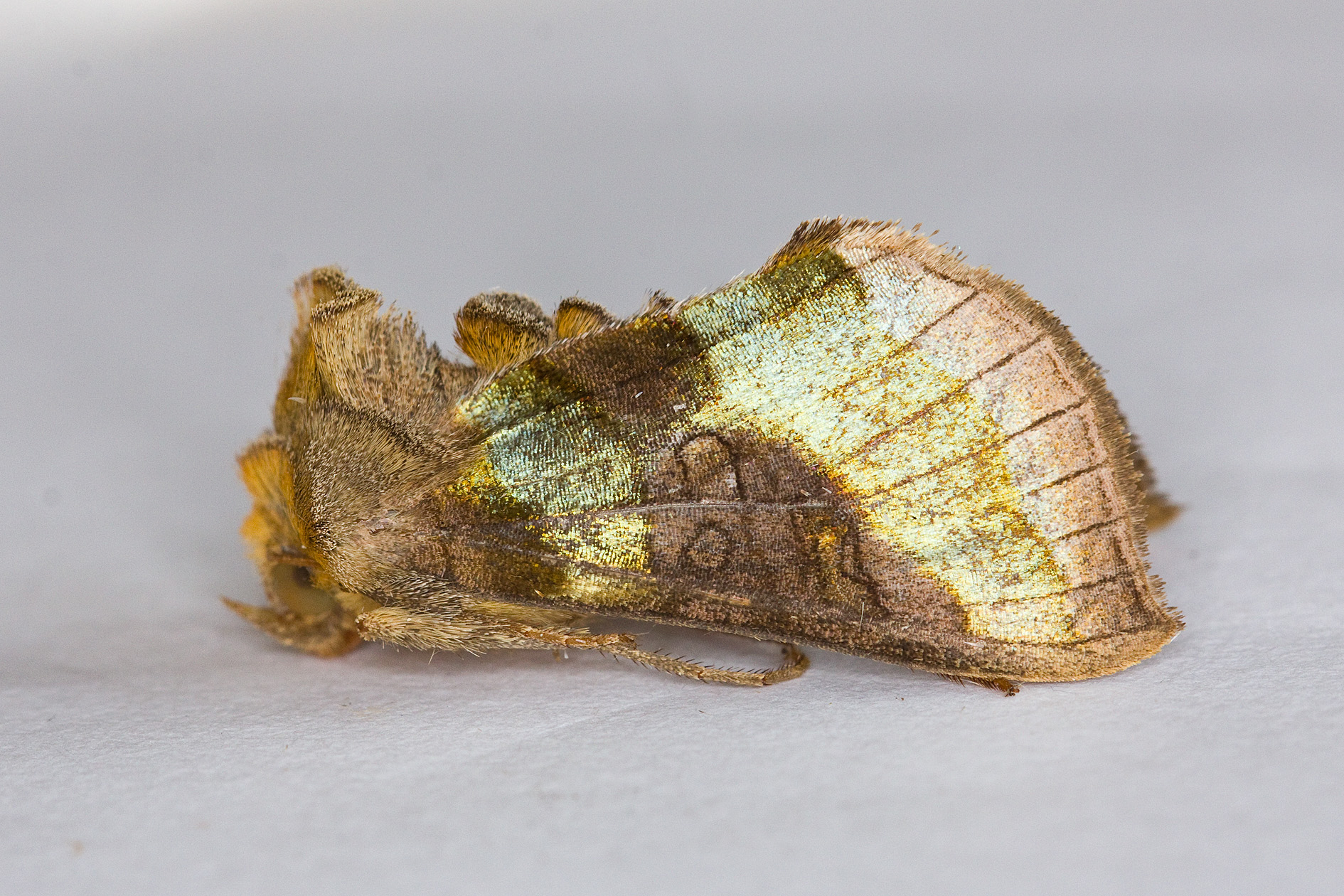
The Alder Moth, Camomile Shark, Burnished Brass, and Golden-brown Tubic are all new for the garden list.


Alder Moth - Acrnicta alni


Chamomile Shark - Cucullia chamomillae


Burnished Brass - Diachrysia chrysia


Golden-brown Tubic - Crassa unitella


The rest are just a selection from those I have seen in the garden during June. It's just nice to see and to review the pictures from time to time.


Blair's Mocha - Cyclophora puppillaria


Miller - Acronicta leporina


Oak Nycteoline - Nycteola revayana


Bramble Shoot Moth - Notocelia Uddmanniana


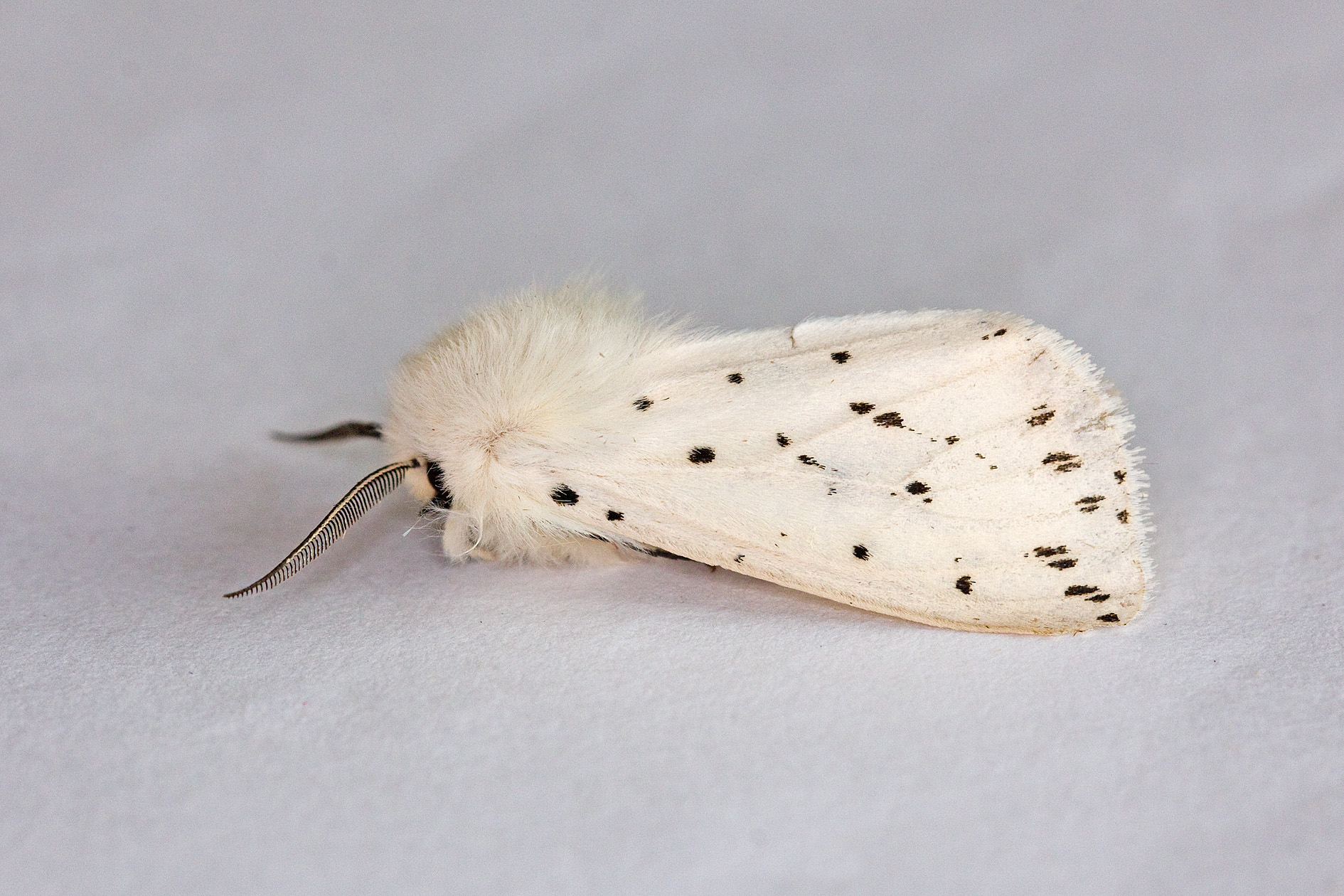
White Ermine - Spilosoma lubricipeda


Nettle-tap - Anthophila fabrician


Marbled White Spot - Deltote pygarga


Maidens Blush - Cyclophora punctaria


Red-barred Tortrix - Ditula angustiorana


Snout - Hypena proboscidalis


Common Wainscot - Mythimna pallens


Sycamore - Acronicta aceris


The end of June brings up the 250 on the Moth Garden List.


Wednesday, 29 June 2022

Taicynhaeaf Moths


We recently rented a cottage at Taicynhaeaf sitting in the hills just above the Mawddach valley. It was for a family holiday but before you travel, thoughts stray to birding and to Dippers, Pied Flycatchers and Wood Warblers, all birds that I am unlikely to see in Sussex. We were only about a mile from the Coed Garth Gell nature reserve a place I had always wanted to visit and the birds were sure to be there.


Once you arrive reality steps in and you realise that you came to be with the family and in particular with the grandchildren. Covid has caused too many separations and time to bond with the family and for the enjoyment that brings takes priority even over the birding. Coed Garth Gell will have to wait for another time.

I still managed to find some time for solitude and for nature. I am an early riser and being up at five in the morning to empty the moth trap, before the rest of the house is stirring, is a great way to start the day.


Lobster Moth - Stauropus fagi


I had expected a different range of moths but just how different really surprised me. I put the trap out on the night we arrived and just after midnight I went out to take a look. I counted seven Lobster moths sitting on the outside of the trap and on the adjacent wall. Although not uncommon this is a moth I had never seen before. There were other moths on the wall as well and I needed to pot them or get them into the trap to ensure the birds did not feast on them before I got up the next morning.


Lobster Moth - Stauropus fagi


Excitement overcame me and I failed to give due note to the midges that I could see flying around the trap. I was in shorts and short sleeved shirt but I thought a couple of bites were a good price to pay to ensure I did not miss any of the moths. The morning found me in some discomfort having given up counting at a hundred bites on my legs alone. I had also forgotten just how bad midge bites can be. It's not the surgical strike of a mosquito more a jagged and infected chewing of the skin that takes up to two weeks to die down. Still the moths were good and at least the rest of the family had a good laugh! 


Pale Tussock - Calliteara pudibunda


I felt some sense of satisfaction the next morning when I found about a quarter of an inch layer of dead midges in the bottom of the trap but it was short lived. It raises so many questions. How long do midges live? Had the trap killed them? Do midges bite moths and if so what had it been like for the moths in the trap? So much still to learn and understand.


Green Arches - Anaplectoides prasina


I put the trap out every night and found something new every morning, coming home with a list of twenty six new moths. The first and last nights were the best of the holiday, having overcast and humid conditions with low wind speeds but all the mothing sessions were enjoyable. Its like opening an unexpected present every day.


Drinker - Euthrix potatoria


The following are a selection of some of the better moth pictures from the holiday.


Barred Red - Hylaea fasciaria


Beautifull Snout - Hypena crassalis


Purple Clay - Diarsia brunnea


Brussels Lace - Cleorodes lichenaria


Clouded-bordered Brindle - Apamea crenata


Fox Moth - Macrothylacia rubi


Pale-shouldered Brocade - Lacanobia thalassina


Garden Tiger - Arctia caja


Green Oak Tortrix - Tortrix viridana


Grey Arches - Polia nebulosa


I think, a July Belle - Scotopteryx luridata plumbaria


Peppered Moth - Biston betularia


Green Silver-Lines - Pseudoips prasinana britannica


Triple-spotted Clay - Xestia ditrapezium


True Lover's Knot - Lycophotia porphyrea


What other mothing delights were waiting in the hills and woods for me to find and will I ever get back for another look?

Note

Coed Garth Gell nature reserve. I have noticed that the RSPB, Google maps and probably others have started referring to it as RSPB Mawddach Woodlands. I am not a great supporter of Welsh nationalism or the welsh language but surely this is a battle that must be fought. You cannot lose that name.


Thursday, 16 June 2022

Kent's Magnificent Moths


With the arrival of June and some warmer weather, the mothing season really gets under way. I had set myself a few targets for the year. The first two were the Orange Underwing and the Light Orange Underwing back in March and April. I missed them both. A combination of cold weather, lack of time to search and possibly the wrong locations, had seen me off to a bad start.

My next targets were three or four of the rarer moths in Kent at the beginning of June. It was all looking good but then a late change in the weather nearly wiped out my three day stay and the planned search. Day one it rained, day two it rained but I did get a few hours of sun in the morning and day three I found myself searching Samphire Hoe in what was  either low cloud or thick fog. It's not rain but you get just as wet.

On day two there were a few hours of sun in the morning so I started at Denge Wood. The target was the White-spotted Sable. It's a big wood and a small moth but I did eventually find a good spot with probably ten to twenty flying.


White-spotted Sable - Anania funebris


Finding the spot was good but getting a picture was near impossible. They are very active, difficult to follow and good at hiding under the leaves of various plants. Any attempt to approach them seemed to trigger them to flight. After about an hour of trying I decided to pot one and get a record shot. The clouds were approaching and I wanted to get to the next site. It's not the picture I wanted but at least I had found the moth.

I will be trying to improve on the picture later in the year, when second broods should be appearing on a couple of sites in Sussex

On my way back to the car I passed through a small clearing and was delighted to see Yellow-barred Longhorn dancing in the sunbeams. The one below taking a break from the action!


Yellow-barred Longhorn - Nemophora degeerella


My next target was the Black-veined Moth at Wye NNR. By the time I got there it had clouded over and was threatening rain. It looked like a lost cause. It was too cold and windy for them to be flying and the chances of  disturbing one from the long grass were slim. Still I was there so I might as well have a look.

Someone must have felt sorry for me that day. As I crested the hill and looked down into the valley there was a team of six or seven people systematically contouring the slope searching the grass and undergrowth. They were part of the "Kent's Magnificent Moths" team and were just finishing a survey of the site looking for evidence of the Black-veined moth.


Black-veined Moth - Siona lineata


I am not sure they really wanted me around but I had spotted a couple of them taking pictures so my task was easy. I took a few quick shots and headed back to the car, just making it before the rain started.


Black-veined Moth - Siona lineata


Black-veined Moth - Siona lineata


Black-veined Moth - Siona lineata


Only two moths out of the four I was targeting but given the weather it was a good result. I also checked out a couple of the other sites and will return next year to continue the search.


Monday, 13 June 2022

Spotted Frog Hybrid


The Dark Side is calling, Orchids that is. It all got a bit too complicated for me. Once you have seen all the main species or nearly all, then you get dragged into hybrids and colour variants. The scope is huge and the opinions even bigger. 

I had decided no more orchids but then you pause to look, you take a picture, put a name to it and the Dark Side calls you back.

There were the Lady and Butterfly orchids in Denge Wood. I was on my knees photographing a moth and they were just in front of me. I couldn't just walk away.


A Pyramidal Orchid in the fog at Samphire Hoe.


We visited Fairmile Bottom, me looking for moths whilst Dave checked out the Orchids. Nice Bee Orchids amongst lots of others species but not many moths.


Hybrids leading to huge specimens


Frog Orchids but I was really starting to loose interest. Then Dave pointed out something a bit more unusual. A Frog Orchid x Common Spotted Orchid hybrid. Dactylorhiza viridis x Dactylorhiza fuchsii giving rise to  Dactylorhiza x mixtum. Not much of a name but the flower was interesting.


Just past their best but six different plants in a small area showing a good colour variation. There may have been more there but we did not see them.

It was interesting and worth recording but I have to remind myself, that it was the hybrids and the difficulty of identifying them, that caused me to loose interest in Orchids.

The Light Side still holds sway.


Tuesday, 31 May 2022

Canada and Alaska 1 - Calgary


With Covid restrictions easing Sue and I finally got the go ahead for a Rocky Mountaineer and Alaska Cruise tour we had booked back in 2019. You couldn't class it as a birding holiday but it had been planned to coincide with the spring migration and I expected to be able to free up plenty of time to go looking for birds. Sue does not generally show any interest in sightseeing between dawn and breakfast and there would also be long periods at sea off the western coast of Canada and Alaska for Pelagic birding.

It didn't all go to plan, as you will see, and there were some disappointments on the birding front but I still came away with a number of life ticks and a few good pictures.

We flew into Calgary for an overnight stop arriving late afternoon giving me an hour in the evening and a few hours the following morning before we needed to board a coach for the trip up to Banff for a three night stay in the National Park. One of the real benefits of air travel east to west is that whatever time you go to sleep you are wide awake about three in the morning and ready to go birding.

There are some great birding places around Calgary but given the time available the only one I could get to was Prince's Island Park in the Bow River just a few minutes from the hotel where we were staying. I got off to a good start, Canada Goose, hundreds of them but at least they were genuine, Mallards, Starlings, Rock Doves, that is feral pigeon to me, Common Merganser (Goosander), Red-breasted Merganser, and even an American Robin which I had seen for the first time in England only a few weeks earlier.


American Robin

Not the start I was looking for but there were other birds about and even a few decent pictures to be taken.


Northern Flicker


There are two variants of the Northern Flicker, the red shafted in the west and the yellow shafted in the east. This particular bird is probably an intergrade showing features of both, the red malar of the red shafted but the red on the nape suggesting a yellow shafted.


Black-billed Magpie - Pica Hudsonia


Black-capped Chickadee


Juvenile Coopers Hawk

I think the identification of the hawk is correct but unfortunately it didn't like having the camera pointed at it and flew off before I could get a view from the front.


American Wigeon


Song Sparrow

I also found this White-throated Sparrow whilst walking to the park before dawn. It appears to have flown into one of the high rise buildings and was lying stunned on the pavement. The picture was taken in the dark at 1/3 sec on a 600mm lens so is not the best, however, I am pleased to report that after a few minutes it seemed to recover and hopped away into some cover.


White-throated Sparrow - pre dawn 1/3sec on a 600mm lens

It does make you wonder if birding around the base of the high rise buildings would have been more productive than birding the park.

Also seen around the park were American Crow, Brown-headed Cowbird, variants of the Fliker and a Woodpecker heard but not seen.

The trip up to Banff viewing through the coach window added Bald Eagles and Trumpeter Swans to my holiday list. There were also a few smaller birds that I could not identify and a good number of places that I would have liked to stop and explore.


See the details of Banff in the next blog.